
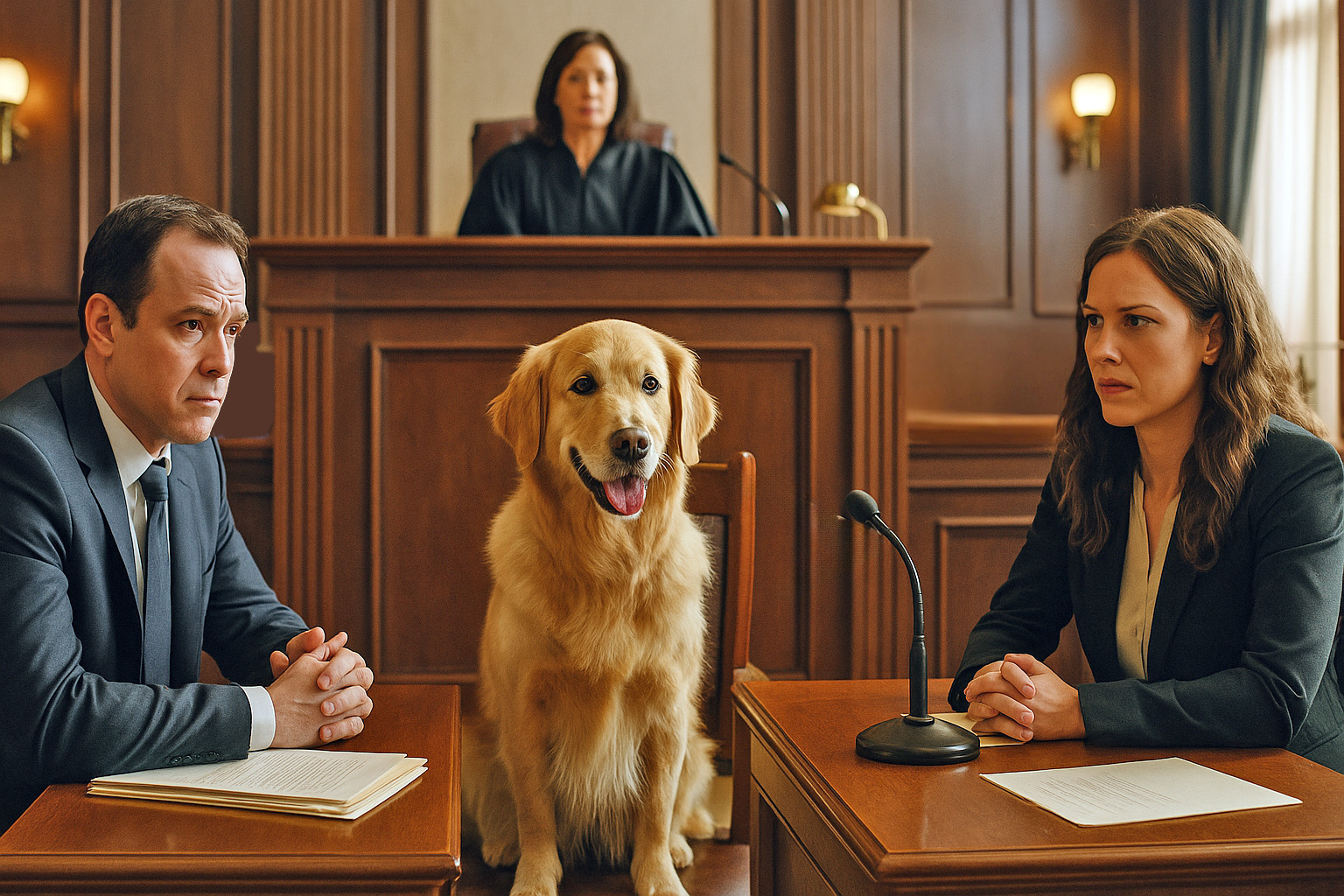

In Texas, pets are considered property. Courts don’t typically offer pet custody or visitation, so it may be best bet to negotiate a pet agreement outside of court.
For many couples, pets are more than just animals—they are family. So, when a marriage ends, one of the most emotionally charged questions that can arise is: Who gets the dog? What about the cat? Or even the iguana?
If you’re going through a divorce in Houston or anywhere in Texas, and you and your spouse share a beloved pet, it is important to understand how Texas law treats this issue—and what you can do to protect the bond with your four-legged companion.
Pets Are Property in Texas
It may surprise (or even upset) some people to learn that Texas law classifies pets as property, not as children. That means pet custody is not handled in the same way as child custody. Instead of evaluating the “best interest” of your pet, Texas courts will treat your pet like they would a car, a couch, or a bank account.
This means the pet will be awarded to you or your spouse as part of the property division process, including determining if the pet is separate property or community property.
Separate vs. Community Property
- Separate property generally includes anything one spouse owned before the marriage or received as a gift or inheritance.
- Community property includes most assets (and debts) acquired during the marriage, regardless of whose name is on them.
If you brought the pet into your marriage or received it as a personal gift, you may have a stronger claim to keep it after the divorce. But if the pet was adopted or purchased during the marriage, it will likely be considered community property—and subject to division.
What If You Both Want the Pet?
Disputes over pets can get intense. While Texas law does not provide a specific framework for “pet custody” or visitation, courts are increasingly recognizing the emotional bond people have with their pets. In some cases, judges may consider:
- Who has primarily cared for the pet (feeding, walking, vet visits)
- Who has more time or ability to care for the pet after the divorce
- Who has a stronger emotional connection
- The living situation of each party (e.g., access to a yard, pet-friendly housing)
This is not guaranteed. Some judges will stick strictly to property law and may not consider emotional attachments or caregiving responsibilities. That is why it is often better to negotiate pet ownership outside of court.
Can We Create a Pet Custody Agreement?
Yes—and it’s a good idea if you both want ongoing involvement in the pet’s life. You and your spouse can work together (or through your attorneys or a mediator) to create a pet custody or visitation agreement. This can outline:
- Where the pet will live with primarily
- A visitation or shared custody schedule
- How vet bills and other expenses will be handled
- What happens if one party moves or becomes unable to care for the pet
While not all Texas courts will enforce pet visitation agreements, a written understanding can prevent conflict and make expectations clear.
How an Experienced Divorce Attorney Can Help
If a pet is a major point of contention in your divorce, an experienced family law attorney can help you:
- Identify whether the pet is separate or community property
- Gather evidence of your role in the pet’s care
- Negotiate a fair resolution with your spouse
- Draft agreements that reflect your wishes and protect your rights
If you are facing divorce, contact Chris Spofford today at 713.526.2400 to schedule a consultation and protect what matters most including your family pets.